




-
 Custom Landscape Design
-
 0 Comments
Creating Your Dream Outdoor Space: The Art of Custom Landscape Design
Why Custom Landscape Design Matters for Your Conroe Property and Long-Term Satisfaction
Custom landscape design is the intentional process of creating outdoor spaces that reflect your unique lifestyle, preferences, and property characteristics. Unlike template approaches or off-the-shelf solutions, a tailored design considers every aspect of your land, from soil composition and drainage patterns to sun exposure and existing vegetation, ensuring that every plant, structure, and feature works in harmony with your environment and goals.
In Conroe and the surrounding Texas areas, where summer heat routinely exceeds 95 degrees and afternoon thunderstorms can drop several inches of rain in hours, generic landscaping rarely thrives long-term. A thoughtful approach to outdoor space planning accounts for these regional realities, selecting drought-tolerant native plants that flourish in sandy loam soils, positioning hardscape features to manage water runoff effectively, and creating shaded retreat areas that remain usable even during the hottest months.
The value of personalized outdoor design extends beyond aesthetics. Properly planned landscapes reduce maintenance costs, increase property value by 15 to 20 percent, improve energy efficiency by strategically placing shade trees, and create functional outdoor rooms that extend your living space. Whether you envision an entertainment area with an outdoor kitchen and paver patio, a serene garden retreat, or a low-maintenance yard that looks polished year-round, the foundation begins with understanding what makes your property and vision distinct.
Understanding Your Property Through Comprehensive Site Assessment and Goal Setting
Every successful project begins with a thorough site evaluation. A skilled landscape designer walks your property to assess topography, identify drainage concerns, note existing trees and vegetation worth preserving, measure sunlight patterns throughout the day, and understand how you currently use the space. This assessment reveals opportunities and constraints that shape the design: a slope that could become a terraced garden, a low spot requiring drainage solutions, or a mature oak providing natural shade for a future seating area.
Equally important is the vision discovery conversation. What do you want your outdoor space to do for you? Families with young children often prioritize open lawn areas and durable surfaces. Homeowners who entertain frequently may want defined zones for dining, cooking, and lounging. Those seeking tranquility might prefer winding pathways, water features, and layered plantings that create privacy. Your daily routines, aesthetic preferences, and long-term plans all inform the design direction.
Budget considerations enter the conversation early. Transparent discussions about cost ranges for different elements allow you to prioritize features that matter most. Perhaps you invest heavily in structural elements like retaining walls and patios now, then phase in landscape lighting and seasonal color later. Or you may allocate resources toward a robust irrigation system and native plantings that minimize future water bills and upkeep. A well-planned budget prevents costly mid-project changes and ensures the final design aligns with financial realities while still achieving your vision.
Integrating Hardscape, Plant Palettes, and Functional Zones for Balanced Visual Appeal
Great outdoor spaces balance form and function through core design principles. Unity ties disparate elements together through repeated materials, consistent color palettes, or recurring shapes. For example, using the same stone for a patio, walkway borders, and garden edging creates visual continuity. Proportion ensures features suit the scale of your home and lot; an oversized pergola can overwhelm a modest yard, while undersized plantings disappear against a large facade.
Hardscaping forms the backbone of most designs. Patios, walkways, retaining walls, and outdoor kitchens define spaces, provide structure year-round, and require minimal maintenance compared to planted areas. Selecting materials suited to the local climate matters: permeable pavers allow rainwater infiltration and reduce puddling, natural stone withstands temperature fluctuations without cracking, and textured surfaces prevent slipping during sudden downpours common in Texas springs.
Plant selection goes beyond choosing attractive species. Successful designs layer plants by height, texture, and bloom time to create year-round interest. Native and adapted plants like Texas sage, mealy blue sage, and Gulf muhly grass thrive in our heat and require less water once established. Grouping plants with similar irrigation needs into hydrozones prevents overwatering some species while underwatering others. Strategic placement of trees and large shrubs provides shade, screens undesirable views, and frames focal points.
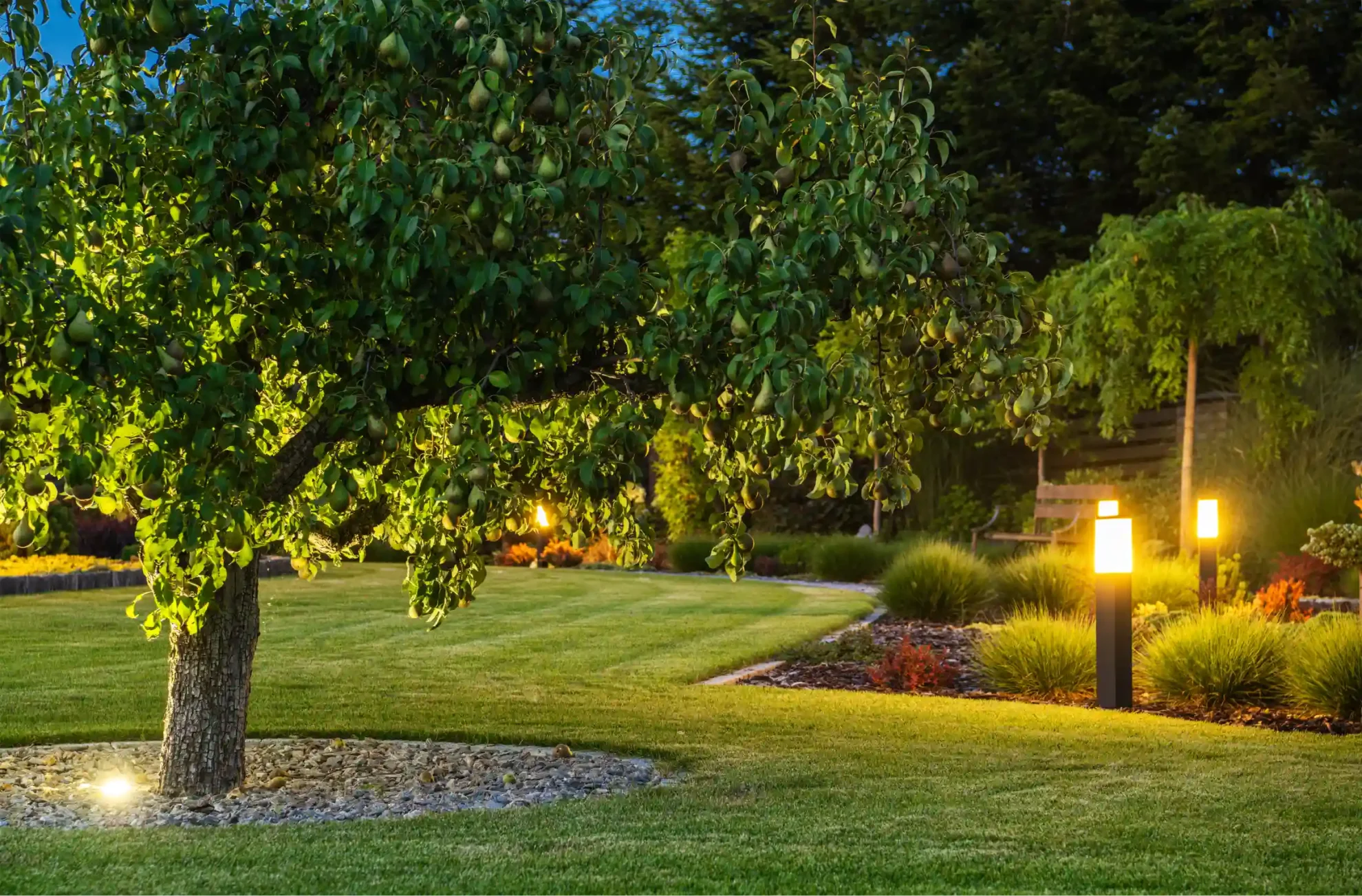
Flow and circulation guide how people move through the space. Pathways should feel intuitive, leading naturally from one area to another. Seating areas need adequate space for furniture and movement. Lighting extends usability into evening hours while highlighting architectural features and improving safety along steps and pathways. Thoughtful hardscaping design integrates these elements seamlessly, creating outdoor rooms that feel as intentional as your home’s interior.
Protecting Your Investment Through Seasonal Maintenance and Strategic Long-Term Planning
Once the design is finalized, installation transforms plans into reality. The process typically begins with site preparation: clearing unwanted vegetation, rough grading to establish proper drainage, and marking utility lines. Hardscape elements go in first since heavy equipment and materials would damage planted areas. Foundations for patios and walls must be properly compacted to prevent settling. Irrigation systems install before final grading, ensuring every zone receives appropriate coverage and pressure.
Quality installation requires coordination across multiple trades. Electricians run lines for lighting and outdoor kitchens. Plumbers connect water features. Skilled crews lay pavers with precise spacing and leveling. Throughout this phase, communication keeps you informed of progress, addresses unexpected site conditions like buried debris or rock layers, and confirms details match your expectations before work progresses too far to adjust easily.
Timing matters in Texas. Fall and early spring offer ideal planting windows when moderate temperatures allow root establishment before summer heat stresses new plants. Installing sod or artificial turf during cooler months gives grass time to root deeply. Hardscape work can proceed year-round but becomes uncomfortable during July and August heat. A realistic timeline accounts for weather, material lead times, and crew availability, typically ranging from two weeks for modest projects to several months for extensive transformations involving multiple outdoor living areas.
Sustainable practices enhance long-term performance. Amending native soil with compost improves drainage in clay areas and water retention in sandy spots. Mulching conserves moisture, moderates soil temperature, and suppresses weeds. Selecting the right turf type or considering artificial turf installation in high-traffic or shaded areas reduces ongoing maintenance demands. These thoughtful choices during installation pay dividends for years, creating landscapes that mature beautifully with minimal intervention.
Ready to bring your vision to life? Contact us to schedule a consultation and discuss how we can create an outdoor space tailored to your property, lifestyle, and budget.
Maintaining Beauty and Function Through the Seasons While Maximizing Property Value
A beautiful outdoor space is not a one-time achievement but an evolving asset that requires ongoing attention. After installation, establishing a maintenance rhythm ensures your investment continues to deliver value for years. The first growing season is critical: newly installed plants need consistent watering as roots establish, and hardscape elements may require minor adjustments as the ground settles.
In the Conroe area, seasonal shifts demand different care strategies. Spring calls for mulch replenishment, pre-emergent weed control, and fertilization as temperatures warm and growth accelerates. Summer heat stresses plants, making efficient irrigation systems essential to reduce water waste while keeping root zones healthy. Fall is the ideal time to overseed cool-season grasses, divide perennials, and prepare beds for winter. Even our mild winters require attention: protecting tender plants during occasional freezes and pruning dormant trees before spring growth resumes.
Beyond seasonal tasks, long-term planning protects both aesthetics and function. Mature trees may need periodic crown thinning to allow sunlight through to understory plantings. Landscape lighting fixtures require bulb replacement and fixture cleaning to maintain nighttime curb appeal. Hardscape surfaces benefit from periodic sealing or cleaning to prevent staining and extend lifespan. Turf areas may need aeration and dethatching every few years to maintain vigor, while irrigation zones should be reviewed annually to adjust for plant maturity and changing water needs.
The return on investment extends beyond curb appeal. Well-maintained landscapes reduce erosion, manage stormwater runoff, and create comfortable outdoor living areas that expand your usable square footage. Properties with thoughtfully designed and maintained outdoor spaces consistently command higher resale values and attract buyers more quickly. For homeowners planning to stay long-term, a functional, beautiful yard enhances daily quality of life and provides a personal retreat from daily stresses.
Knowing when to bring in landscape maintenance support makes the difference between thriving and struggling. If your schedule doesn’t allow for consistent care, or if specialized tasks like tree pruning, irrigation repair, or pest management feel overwhelming, partnering with a service that understands your original design intent ensures continuity. Our team works with clients to develop customized care plans that align with each property’s unique needs and the owner’s availability, whether that means full-service upkeep or targeted seasonal interventions.
Ready to start planning your personalized outdoor space or establish a care routine that protects your investment? Let’s discuss your vision and create a landscape that grows in beauty and value season after season.
