




-
 Landscaping Tips
-
 0 Comments
Professional Ideas for Beautiful, Functional Landscapes
Transform Your Outdoor Space with a Landscape Designer in TX
A landscape designer creates outdoor environments that balance visual appeal with practical functionality. This professional evaluates your property, considers local environmental conditions, and develops plans that address drainage patterns, sun exposure, soil composition, and seasonal changes. In Conroe, where intense summer heat and periodic heavy rainfall present unique challenges, thoughtful design decisions become particularly important for long-term success.
The design process begins with understanding how you intend to use your outdoor space. Whether you envision hosting gatherings, creating private retreats, establishing play areas for children, or simply enhancing curb appeal, these objectives shape every recommendation. A skilled designer translates your vision into detailed plans that specify plant selections, hardscape materials, irrigation requirements, and lighting placement.
Beyond creating attractive spaces, landscape designers consider maintenance requirements, budget constraints, and phased implementation options. This approach allows property owners to develop their landscapes over time while maintaining design coherence. The value lies not just in immediate aesthetics but in creating sustainable outdoor environments that evolve beautifully as plantings mature and your needs change.
Design Elements That Transform Outdoor Spaces
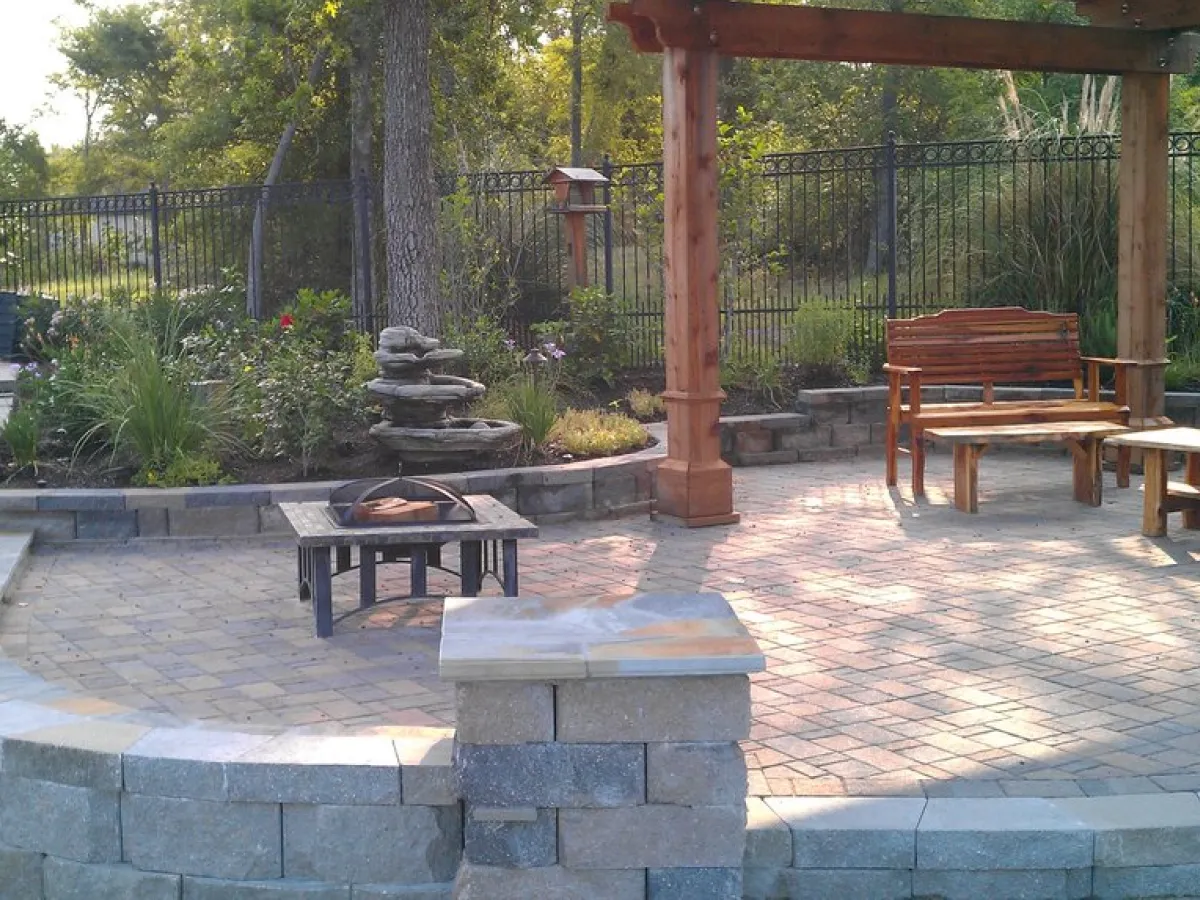
Successful landscape transformations incorporate multiple elements working together harmoniously. Hardscaping provides structure and defines spaces through pathways, patios, retaining walls, and pergolas. These permanent features establish the foundation upon which plantings and other elements build. Quality hardscape materials withstand weather extremes while adding texture and visual interest throughout the year.
Plant selection represents one of the most impactful design decisions. Native and adapted species suited to local conditions require less water, tolerate temperature fluctuations, and resist common pests. Strategic layering of trees, shrubs, and perennials creates depth and ensures visual interest across seasons. Thoughtful placement considers mature sizes, preventing overcrowding and reducing future maintenance headaches.
Lighting extends the usability of outdoor spaces beyond daylight hours while highlighting architectural features and specimen plants. Well-designed systems balance ambient illumination with focused accent lighting, creating inviting evening environments. Proper drainage solutions protect investments by directing water away from structures and preventing erosion. In areas experiencing sudden storms, these systems become essential rather than optional.
Water features, seating areas, and decorative elements add personality and focal points. These components transform functional spaces into destinations that reflect individual style. The most successful designs integrate these elements seamlessly, ensuring each component serves both aesthetic and practical purposes.
Strategic Irrigation and Drainage Systems
Effective water management is critical for maintaining healthy landscapes while conserving resources. Irrigation and drainage systems deliver water precisely where needed, reducing waste and preventing overwatering that can damage plants and create mosquito breeding grounds. In Conroe, where summer temperatures regularly exceed 95 degrees, efficient irrigation keeps lawns and gardens vibrant without excessive water bills.
Modern sprinkler systems incorporate zone-based controls that account for varying water needs across your property. Sun-exposed areas receive different watering schedules than shaded sections, while drought-tolerant plantings are grouped separately from water-loving species. Smart controllers adjust watering based on weather conditions, automatically reducing irrigation after rainfall and increasing it during dry spells.
Drainage solutions address water accumulation that can erode soil, damage foundations, and create unusable soggy areas. French drains, grading adjustments, and catch basins redirect water away from structures and low-lying areas. Proper drainage planning during the design phase prevents future problems and ensures that your landscape remains functional and attractive even during heavy rain events common to the region.
Practical Considerations for Your Landscape Project
Budget planning requires honest conversations about priorities and timelines. Quality landscape installations represent significant investments, but phased approaches allow property owners to achieve their vision incrementally. Prioritizing foundational elements like drainage, irrigation infrastructure, and major hardscaping first establishes systems that support future additions efficiently.
Maintenance expectations deserve consideration during the design phase. Properties requiring minimal upkeep benefit from different plant selections and design approaches than those where active gardening brings joy. Automated irrigation systems reduce water waste while ensuring consistent care. Mulching strategies suppress weeds and moderate soil temperatures, decreasing ongoing labor requirements.
Property characteristics including lot size, existing vegetation, sun patterns, and access points influence design possibilities. Slopes require specialized approaches to prevent erosion while creating usable space. Existing mature trees may dictate placement of hardscape elements and shade-loving plantings. Understanding these constraints allows designers to develop solutions that work with your property rather than against it.
Local regulations regarding setbacks, drainage, and permitted structures impact project feasibility. Working with professionals familiar with municipal requirements prevents costly mistakes and ensures compliance. Seasonal timing affects project scheduling, with certain installations best completed during specific months to optimize establishment and minimize stress on new plantings.
How Professional Services Bring Your Vision to Life
Partnering with experienced professionals transforms ideas into reality while avoiding common pitfalls. The initial consultation establishes project scope, identifies challenges, and aligns expectations. Detailed site analysis examines soil conditions, drainage patterns, sun exposure, and existing vegetation to inform recommendations. This groundwork ensures designs suit specific property characteristics rather than applying generic templates.
Design development produces detailed plans specifying materials, plant varieties, dimensions, and installation sequences. These documents serve as roadmaps guiding implementation while allowing clients to visualize finished results before construction begins. Revisions during this phase cost significantly less than changes mid-installation, making thorough planning financially prudent.
Quality installation requires skilled craftsmanship and attention to detail. Proper grading prevents water accumulation. Correct planting depth and soil preparation determine whether plants thrive or struggle. Precise hardscape construction ensures level surfaces, proper drainage, and long-term structural integrity. These technical aspects separate lasting installations from projects requiring premature repairs.
Working with a team that handles design, installation, and ongoing maintenance provides continuity and accountability. When issues arise, unified responsibility eliminates finger-pointing between separate contractors. Established relationships mean service providers understand your property’s history and can make informed recommendations as needs evolve. For property owners throughout Conroe and surrounding communities, partnering with professionals who understand local conditions and deliver personalized solutions makes the difference between adequate results and truly transformative outdoor spaces. Quality craftsmanship, thoughtful planning, and reliable service create landscapes that enhance property value while providing enjoyment for years to come.
Trends and Innovations in Modern Landscape Design
Sustainable practices increasingly influence design decisions as environmental awareness grows. Native plantings support local ecosystems while requiring fewer inputs. Permeable paving materials allow rainwater infiltration, reducing runoff and recharging groundwater. Composting stations and rain gardens integrate environmental stewardship directly into landscape functionality.
Outdoor living spaces continue expanding in scope and sophistication. Full kitchens, comfortable seating areas with weather-resistant furnishings, and integrated entertainment systems blur the lines between indoor and outdoor environments. These spaces function as extensions of homes, increasing usable square footage and providing venues for relaxation and entertaining.
Smart technology integration offers convenient control over irrigation scheduling, lighting scenes, and even fountain operation through mobile devices. These systems optimize resource usage while providing customization options that adapt to changing needs. Efficient LED lighting reduces energy consumption while offering expanded color options and programmable features.
Edible landscaping incorporates fruit trees, berry bushes, herbs, and vegetables into ornamental designs. This approach provides fresh produce while maintaining visual appeal. Raised beds constructed from attractive materials blend seamlessly with decorative plantings, making productive gardens feel intentional rather than utilitarian.
Low-maintenance solutions gain popularity as busy lifestyles limit available time for yard work. Artificial turf in high-traffic areas, drought-tolerant plantings, and automated systems reduce labor requirements without sacrificing aesthetics. Strategic mulching and proper plant spacing minimize weeding and pruning needs. These approaches recognize that landscapes should enhance life rather than create burdensome obligations, allowing property owners to enjoy their outdoor spaces rather than constantly maintaining them.
